For my friend, John Weaver
John Weaver recently published an essay entitled “My Reading Life” (International Review of Qualitative Research, 2025). What follows is neither a review nor a critique of his essay. Instead, it is a conversation with it–much like conversations we had at Bergamo while sitting around that old portable television with rabbit ears, usually about football. John’s essay has stayed with me because it gave me language for something I had been sensing for a long time without quite knowing how to name it.
John’s essay has a prophetic urgency I couldn’t help but detect as I read it. He laments a university that too often substitutes busyness for thought, productivity for intellectual life, and protocol for genuine reading. He writes as one who has devoted himself to what he calls a “monastic” life of reading. His essay is a call to wake from our sleepwalking.
My own reflections are quieter. They’re less about rescuing the university than about discovering that aging has invited me into a different relationship with work itself.
One passage stopped me in my tracks. John quotes Edmund White, who writes that if a writer can “shore up an eroding coastline for a decade or two,” that may be the closest thing to immortality any of us can hope for. When I first read those words, they unsettled me, and I told him so in an email I quickly composed to him.
Like many academics, I had spent years asking myself what I was contributing. Was I writing enough? Reading enough? Staying current enough? Was I still part of the conversation? My last (only, if you don’t count the collected edition, which I don’t really) book appeared in 2007. It has had a good life, especially among those interested in Southern place and curriculum studies, but books age, just as we do. I would be disingenuous if I said I hadn’t wondered when the invitations would stop coming—when I would be left out of the panel on place, when my book would be cited for the last time.
I don’t think those questions were really about scholarship. They were about belonging.
For much of my career, I mistook achievement for identity. Promotion. Conferences. Networking. The next project. The next publication. I don’t say that critically. It’s simply a big part of the culture of the academy. Looking back, I realize that I didn’t have the leisure to ask different questions.
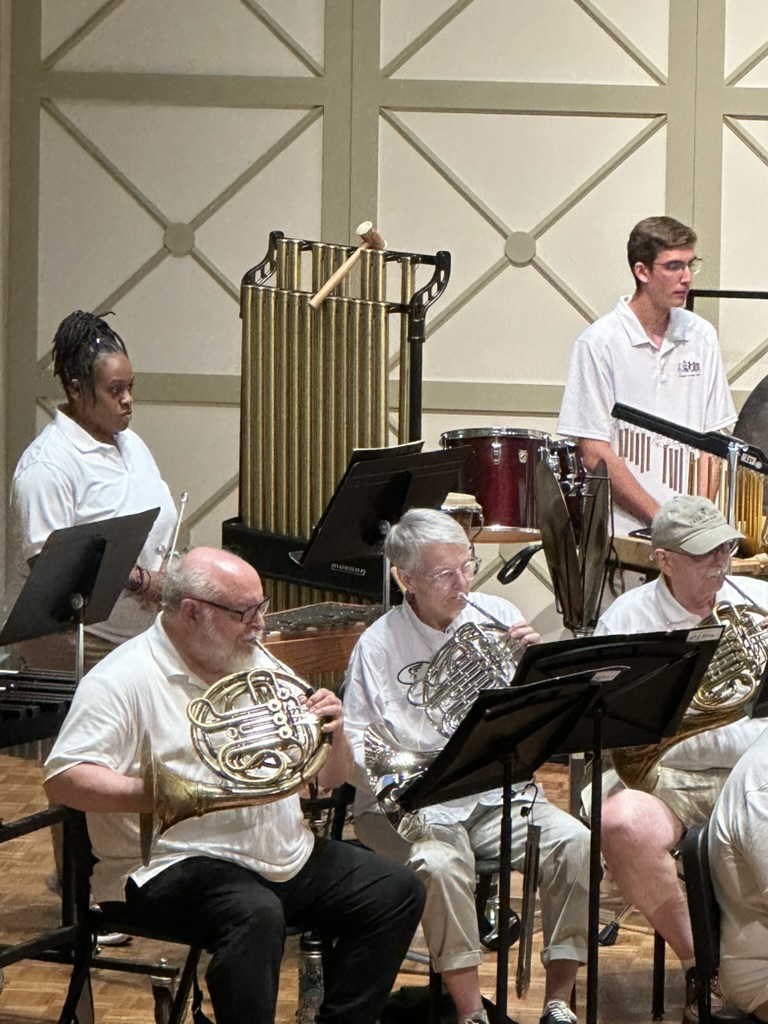
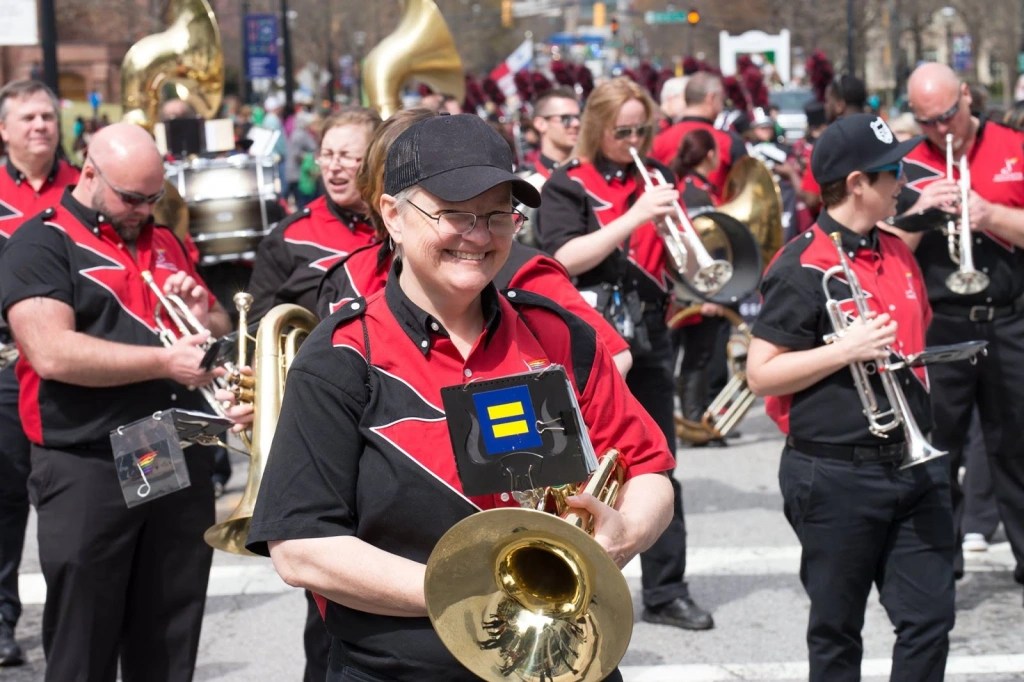
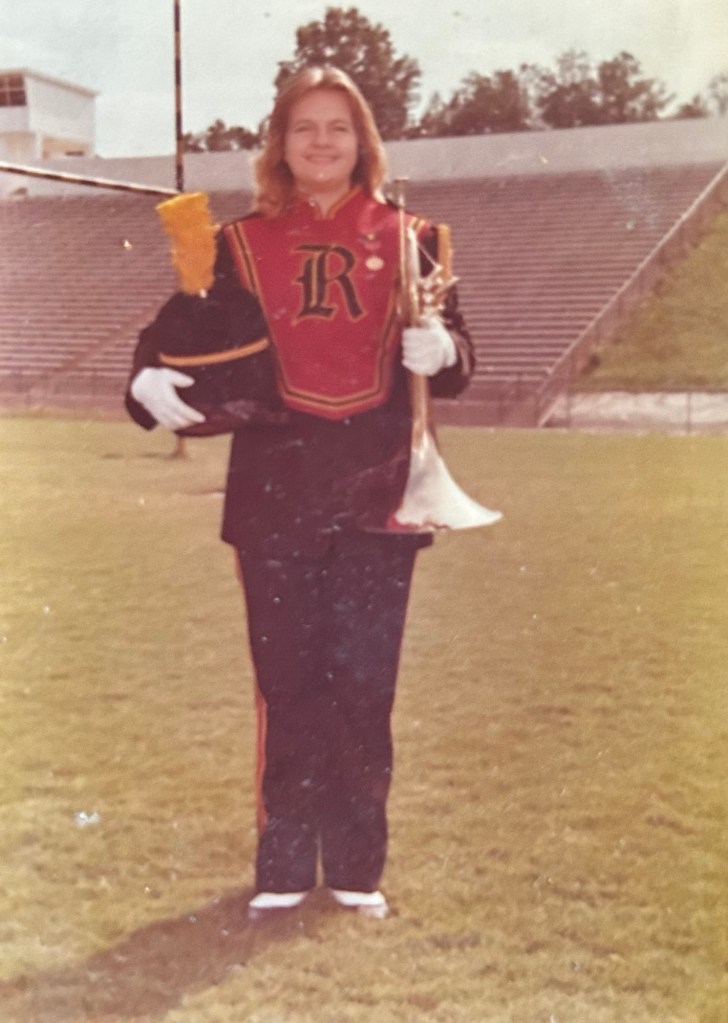
That’s the surprising thing about leisure. I don’t mean retirement. I don’t mean afternoons spent napping or scrolling endlessly through social media. I mean having enough interior space to write because I want to write. To read because I’m curious. To pick up a French horn after years away. To join the church choir and somehow end up in the handbell choir. To ride an e-trike through my neighborhood. To linger over a meal in sobremesa—the beautiful Puerto Rican tradition I learned from Sarah’s family, where the best part of dinner isn’t the food but the unhurried conversation after the plates have been cleared (although the food is most often spectacular). To notice the cicadas beginning their evening chorus from the front porch, celebrating their return after seventeen years underground. Maybe that’s why their song sounded different to me this year.
In other words, the leisure to become.
I had sworn off almost all scholarly writing. Last year I told myself that blogging would be enough. After Bergamo, I was ready to take my ball and go home. I was disappointed in my own paper and convinced that perhaps my time had simply passed. I even considered withdrawing from two invited book chapters because I couldn’t imagine fitting them into my life. Then something unexpected happened.
During a AAACS panel on Laura Jewett’s Tasting Education, people wanted to continue talking—not about curriculum in the abstract, but about aging, taste, memory, and becoming. A friend encouraged me to develop those ideas into something larger. Around the same time, colleagues invited me to be on a panel and to work up a book proposal. Looking back, they weren’t invitations to do more. They were the road home.
That’s the difference.
Years ago, writing often felt like the proverbial monkey on my back. It lived there through tenure, promotion, administration, annual reviews, and deadlines. Every November, for reasons I still can’t quite explain, I would feel what I can only describe as the academic equivalent of Sunday afternoon dread. One November, sitting in my parents’ home, I finally said aloud, “I hate this job because of the pressure.” Looking back, I realize the pressure wasn’t coming from the university or from pending deadlines.It was coming from me.
Life had happened too. Administration occupied nearly a decade. Relationships demanded my attention. People I loved needed me. My own life was asking questions that no conference paper could answer. None of those were interruptions to my scholarly life. They were my scholarly life. Today the work itself hasn’t become lighter. I’ve become lighter in the way I carry it.
I still have two book chapters due. I’m sketching conference proposals and even thinking about another book. The remarkable thing isn’t that I’m doing those things. It’s that I want to. The monkey is gone. In its place is something that feels like an old quilt—familiar, comforting, waiting patiently until I pick it up again.
As I’ve watched mentors and friends retire—giants in curriculum studies whose work shaped generations of scholars—I have also watched some of them wrestle with questions of legacy. That has made me unexpectedly sad. I don’t think they were chasing fame. I think, like many of us, they were asking whether they had been enough. In case they need to hear it, they have been.
John’s image of shoring up an eroding coastline has stayed with me because I have begun to read it differently. Perhaps the coastline isn’t our reputation. Perhaps it is our humanity. Perhaps the work was never meant to keep the sea from coming in forever. Perhaps it was simply meant to help us tend faithfully to the small stretch of shoreline entrusted to us in our little corner of Canaan. If that is true, then the question is no longer whether I will be remembered, whether I will or won’t–should or shouldn’t–write.
I’m content to let those questions rest for awhile. What I know is that for the first time in a very long time, I think I finally have the leisure to find out.
Weaver, J. A. (2025). My reading life. International Review of Qualitative Research. https://doi.org/10.1177/19408447251319426